Catching them young
from Year 2
Kit-based, mentor-led hackathons, bootcamps and a 3-phase build that takes engineering students from a first idea to a market-ready product before they graduate.
- Starts in
- Year 2
- Build phases
- 3 phases
- Pathway
- TRL 1–9
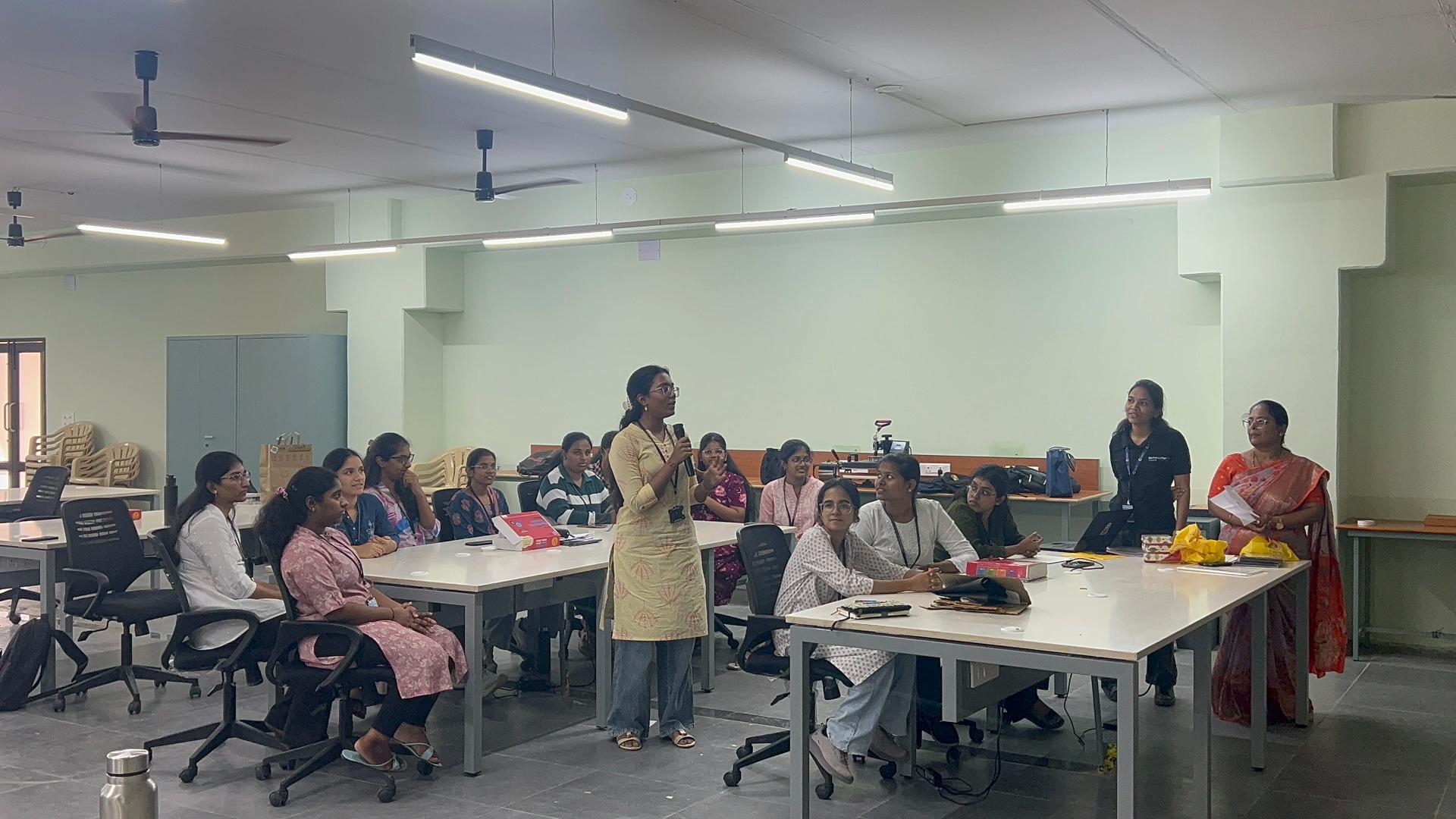
Year 2 · Conceptual
Hands-on from the first week
Learning by building, with someone who has built before
Kit-based
Every student gets hands-on hardware from day one — boards, sensors and modules to build with, not just slides to read.
Mentor-led
Industry engineers guide each squad through design reviews, debugging sessions and demo prep.
Hackathons
Time-boxed challenges that push teams to turn a problem statement into a working proof of concept.
Bootcamps
Intensive, practical sprints on the essentials — electronics, embedded coding, IoT and AI.
Concept in Year 2.
Product by Year 4.
Each phase builds on the last. Students carry the same idea forward, raising its Technology Readiness Level from a proof of concept to a product ready for the market.
- 01Phase 1 · Year 2
Conceptual
Learn the essentials and practise original design and coding. Build a Proof of Concept that solves a real problem.
- Essentials bootcamps
- Kit-based builds
- Proof of Concept
- 02Phase 2 · Year 3
Prototype
Integrate AI and IoT to build a full-fledged working model or prototype, tested in hackathons and mentor reviews.
- AI + IoT integration
- Working prototype
- Hackathon validation
- 03Phase 3 · Year 4
Product
Give the product its final form and make it market-ready — with an improved TRL and a stronger CV.
- Market-ready product
- Improved TRL
- Portfolio & CV


Outcome · Employability Index
Internship, job or entrepreneurship
Students graduate with essential skills and a product of their own — ready for a desired internship or job, or to take their product forward as founders.
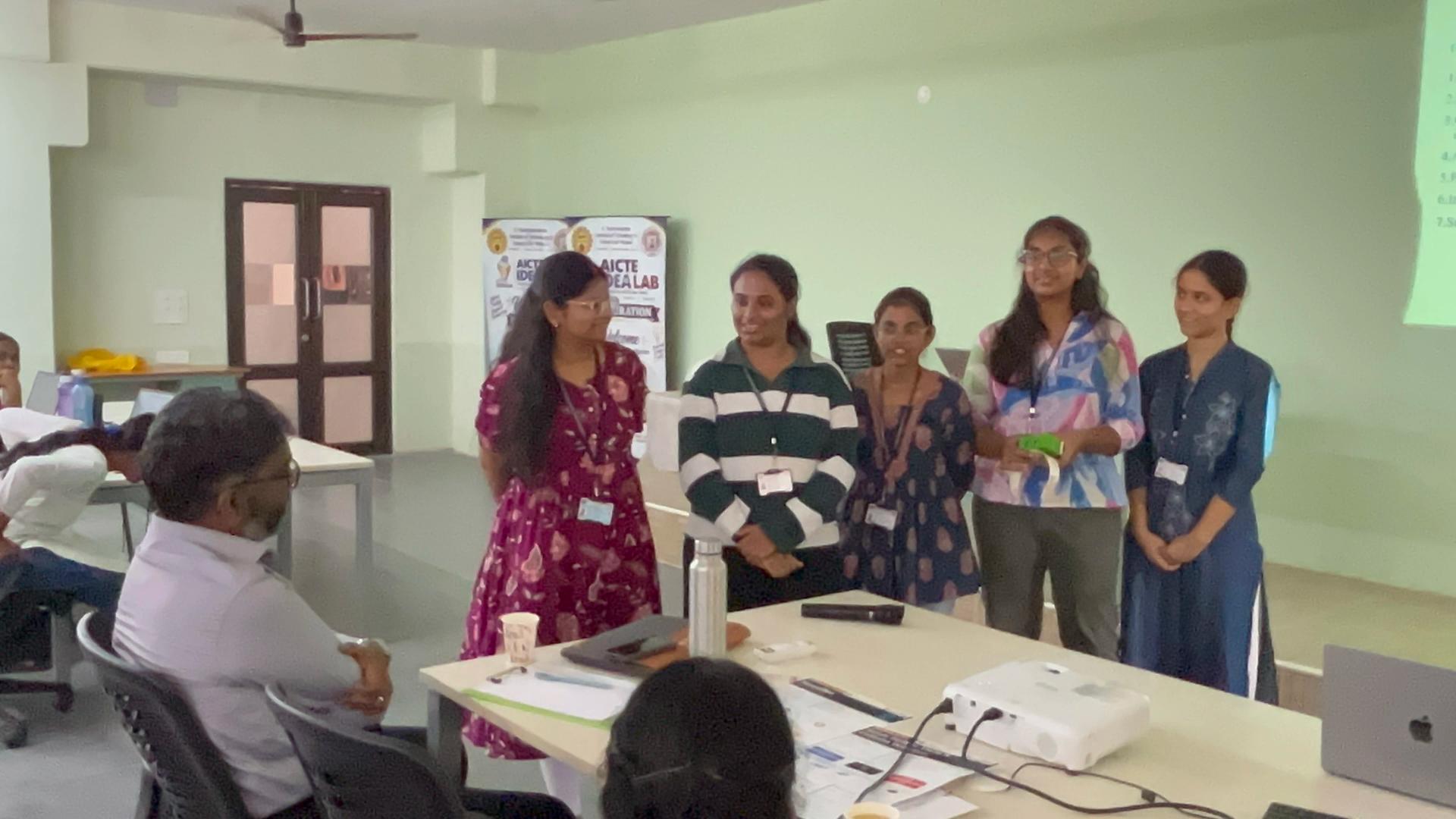
Bootcamp, build, hackathon, review — on repeat
Each phase runs the same loop, so skills turn into working hardware and software quickly, and mentors catch problems early.
- 1
Bootcamp
Learn the concept hands-on with the kit, guided by a mentor.
- 2
Build
Apply it in squad projects, with original design and code.
- 3
Hackathon
Solve a problem statement against the clock and demo it.
- 4
Review
Mentors review the work and set the next milestone on the TRL path.
The earlier they start, the further they go
Three years, not three months
Starting in Year 2 gives students time to go from idea to product instead of rushing a final-year project.
Original work, not copied projects
Students design and code their own solutions, so what they show employers is genuinely theirs.
A product by graduation
By Year 4 they hold a market-ready product, a higher TRL and a portfolio that speaks for itself.
Run STEP at your institution
For CSE & Allied, ECE and IoT branches. Develop Physical AI, Edge AI, IoT and Industrial products.
Questions about STEP
Contact us
Get in Touch With Us
- Phone number
- 8977744633
- hello@cedlearn.com
- DELHI
HYDERABAD
KOCHI
BANGLORE
Business Hours :
Monday - Saturday: 9:00a.m to 8:00p.m
Sunday: With Appointment Only
Send a Message
Write to us. We would catch up with you as soon as we receive your message